The archive
Every memoir, filed by register
The Laboratory
The bench at Kolkata — the stereochemistry of terpenoids, and the scholars it raised.
2 memoirs
1964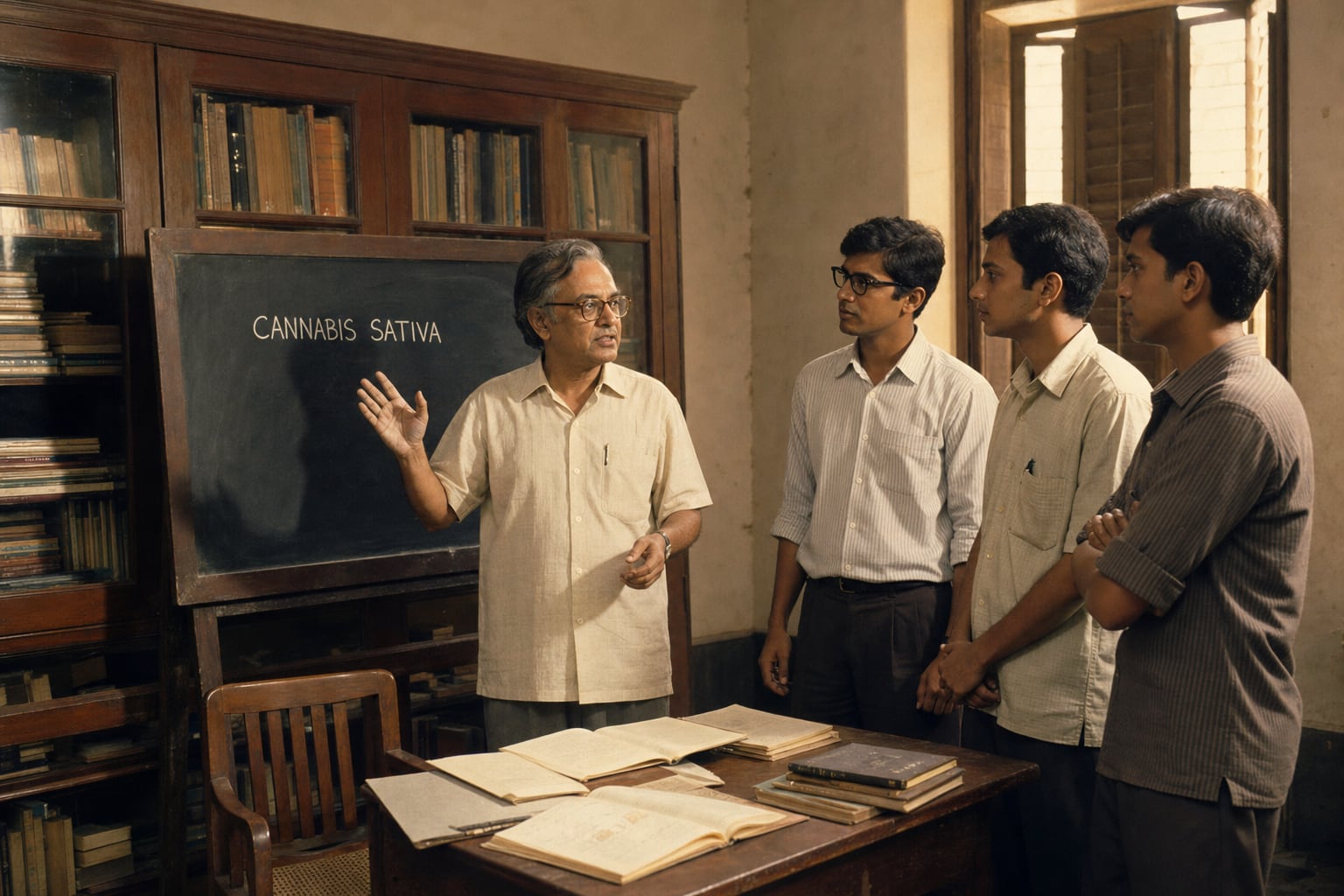 My introduction to the chemistry of blissIn 1964, at IIT Kharagpur, a research fellow overdosed on bhang at a Holi celebration. His research guide, Dr Achintya Kamal Sen, instead of rebuking him for his absence from the laboratory the next day, introduced him thoroughly to the newly isolated active component of the leaf that causes hallucinations. A lesson that lingered and culminated in a meeting with the inventor of anandamide, the body's own molecule that causes bliss, three decades later.1966
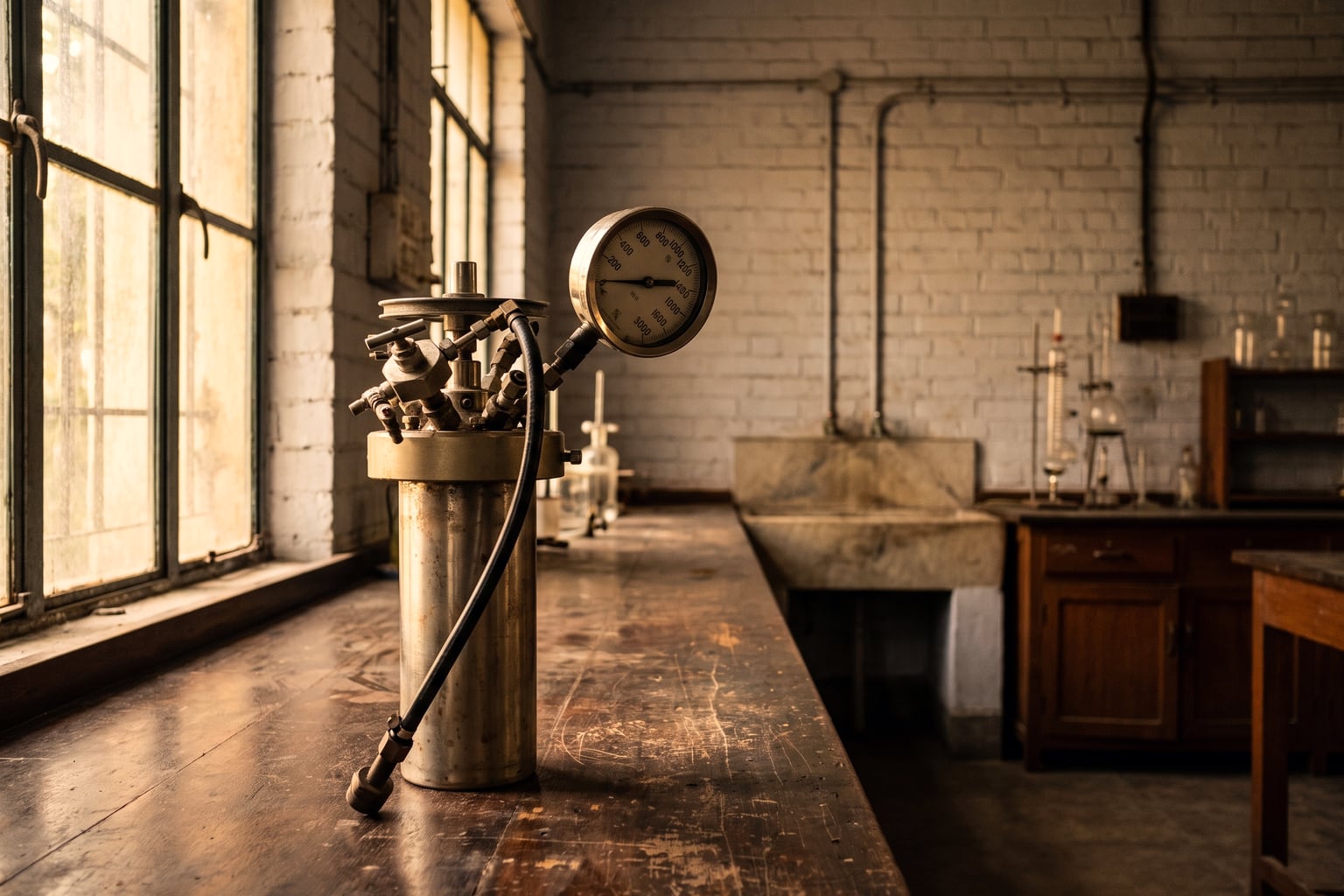 The forgotten achievementAt the Chemistry Laboratory at IIT Kharagpur, a young researcher displayed extraordinary courage and ingenuity by designing and fabricating his own high-pressure equipment and then risking his life to conduct its first trial. He mastered a difficult frontier of experimental chemistry, yet circumstances took him away from the laboratory. The experiment survived in my memory, but the researcher who dared to perform it was largely forgotten.
My introduction to the chemistry of blissIn 1964, at IIT Kharagpur, a research fellow overdosed on bhang at a Holi celebration. His research guide, Dr Achintya Kamal Sen, instead of rebuking him for his absence from the laboratory the next day, introduced him thoroughly to the newly isolated active component of the leaf that causes hallucinations. A lesson that lingered and culminated in a meeting with the inventor of anandamide, the body's own molecule that causes bliss, three decades later.1966The forgotten achievementAt the Chemistry Laboratory at IIT Kharagpur, a young researcher displayed extraordinary courage and ingenuity by designing and fabricating his own high-pressure equipment and then risking his life to conduct its first trial. He mastered a difficult frontier of experimental chemistry, yet circumstances took him away from the laboratory. The experiment survived in my memory, but the researcher who dared to perform it was largely forgotten.The Leaf
Twenty-two years at Tocklai — tea, and the experimental gardens of Assam.
1 memoir

Portraits
The remarkable people met along the way — makers, masters, the unrepeatable.
5 memoirs
1956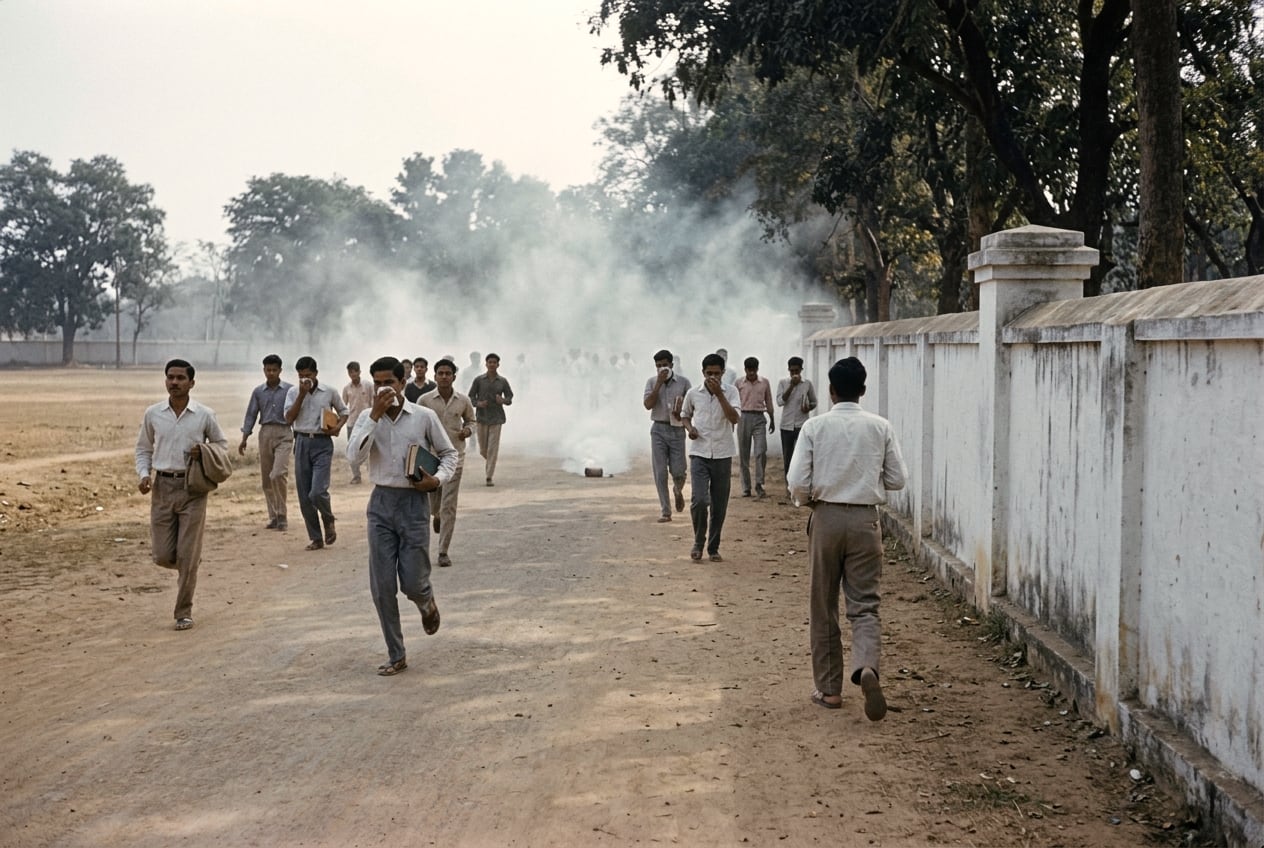 The silent murder of the kendu leaf agitationIn January 1956, the students of Cuttack launched a spirited agitation demanding the inclusion of Seraikela and Kharsawan in the then State of Orissa. On one fateful day, the police dispersed the demonstrators with tear gas and opened fire. Sunil De was killed. He was no political activist, but merely an onlooker like us. The agitation eventually faded as political priorities changed. Yet Sunil De's death remains a poignant reminder of the price ordinary people sometimes pay in public movements, while political agendas shift like sands with time.1963
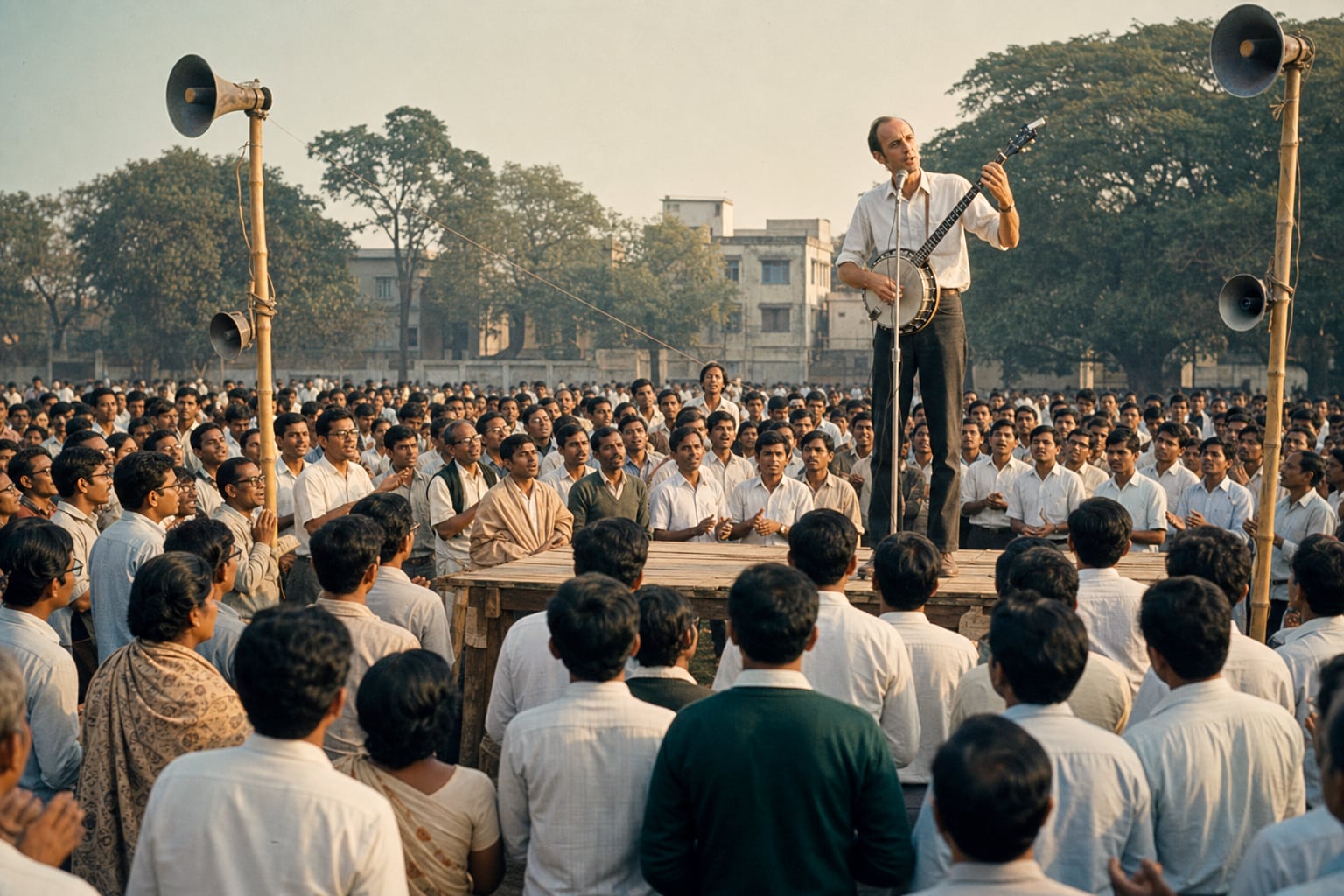 The Banjo that Defended JusticeIn December 1963, a shortcut across the Park Circus Maidan on the way to a Calcutta hospital led him into a crowd around a makeshift stage, where a tall, lanky foreigner with a long-necked banjo — a name he heard that day for the first time — had a sea of young Calcuttans singing "We Shall Overcome."1965
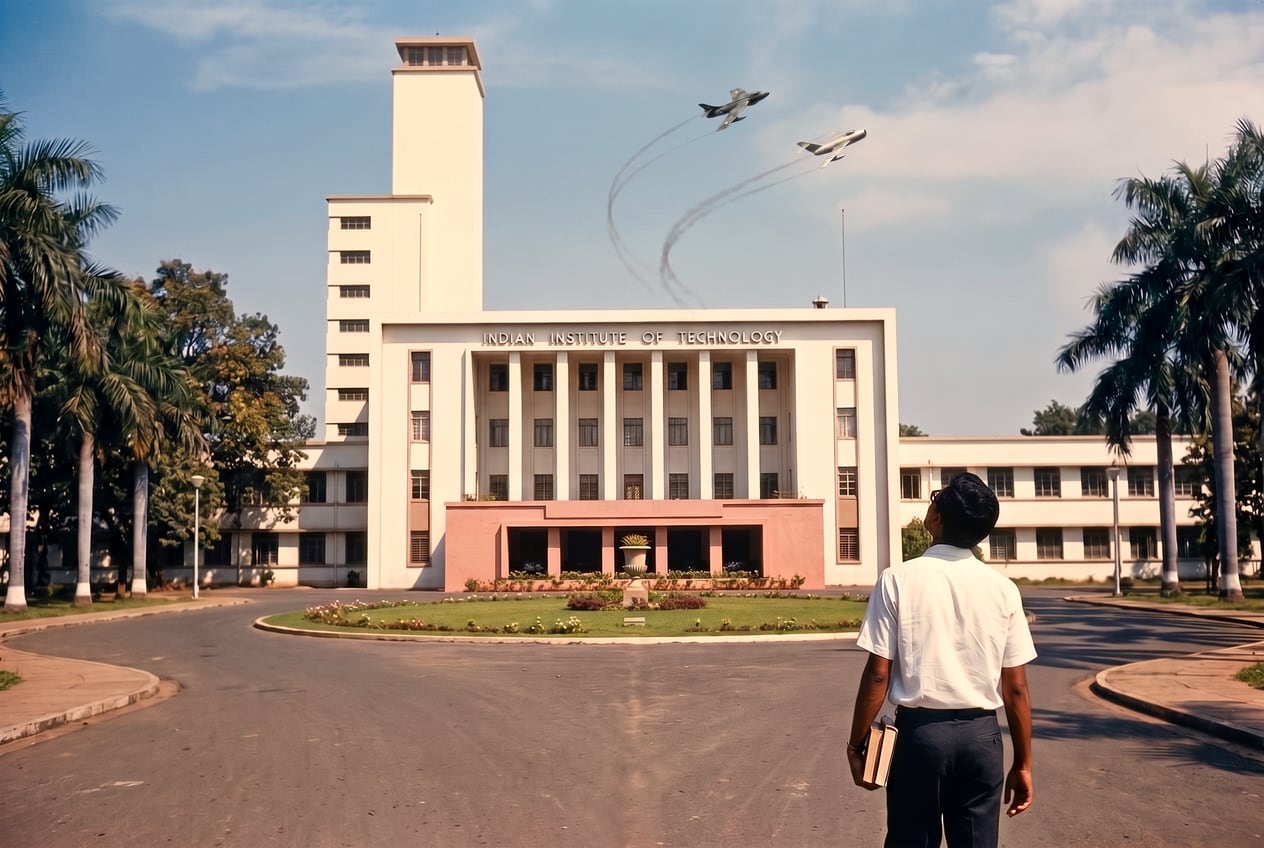 The dogfight over KharagpurOn the morning of 7 September 1965, a research fellow walking back from the library at IIT Kharagpur looked up to see one jet in furious pursuit of another — and the following Sunday sat down to lunch at Kalaikunda with the Hunter pilot who had taken on four Pakistani Sabres, split from his wingman against every rule of air combat, and kept the bombs off the campus.1969
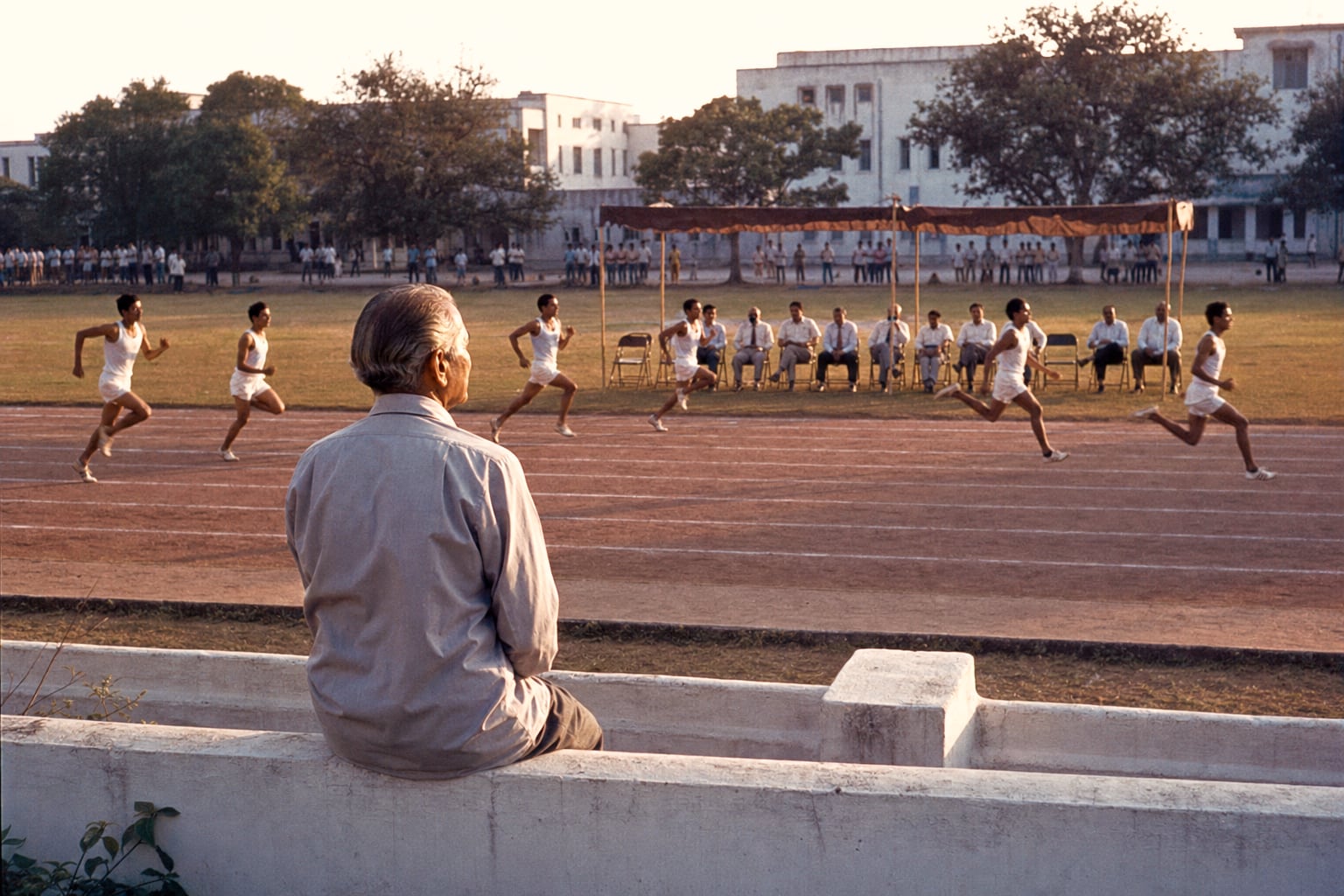 Dhyan Chand in CuttackIn January 1969, early in a coaching assignment that had brought him to Cuttack, Major Dhyan Chand — the Wizard of Hockey — sat all but unrecognised on a college wall, watching the sports day, until an old student of the college knew his face and had the legend brought to the dais.2005
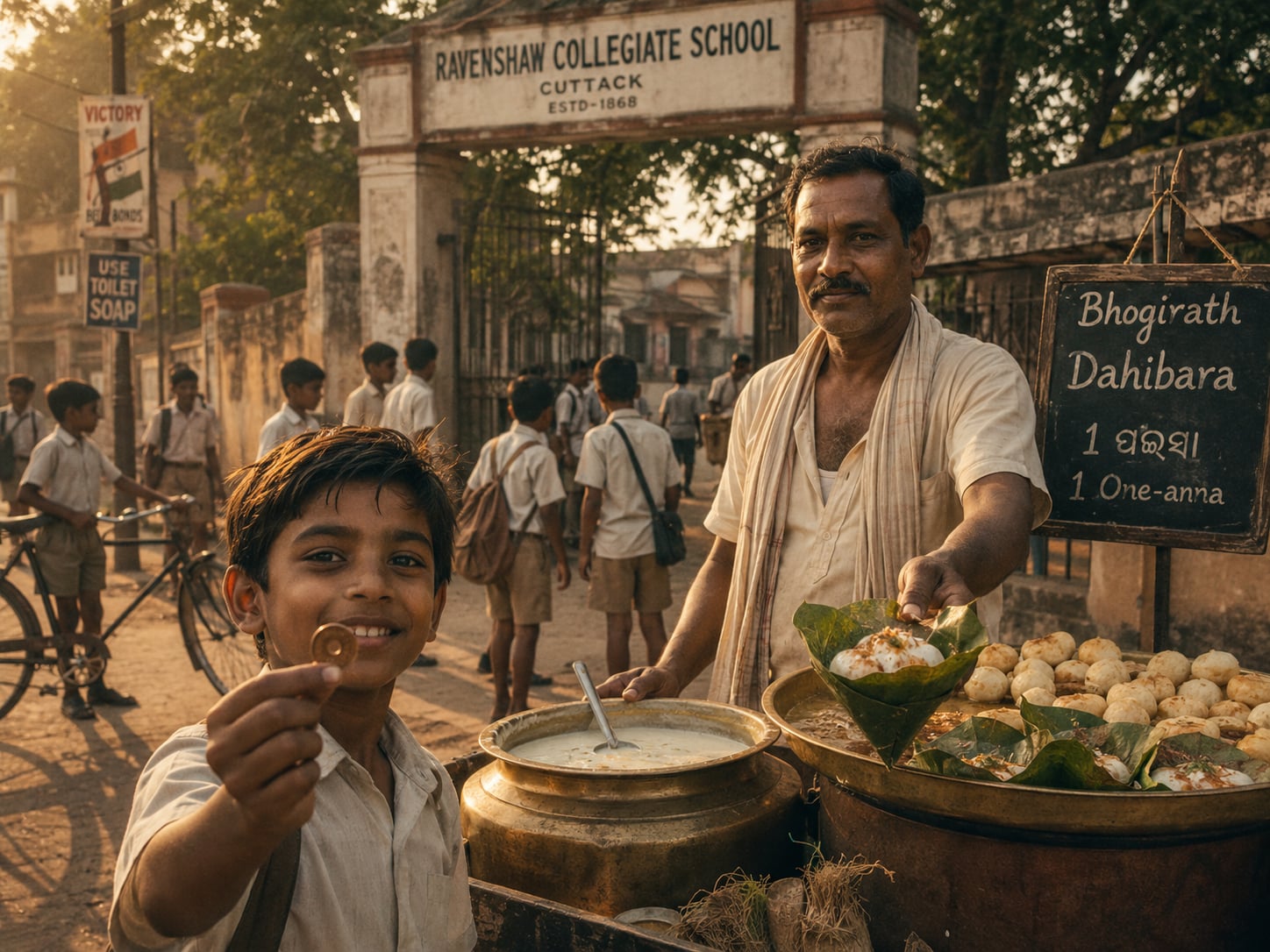 Bhogirath, the dahibara makerRaghu Dahibara's death carries a chemist back fifty years to the Cuttack school gate — and to a blind octogenarian who can still explain, in his own way, why the taste will not come back.
The silent murder of the kendu leaf agitationIn January 1956, the students of Cuttack launched a spirited agitation demanding the inclusion of Seraikela and Kharsawan in the then State of Orissa. On one fateful day, the police dispersed the demonstrators with tear gas and opened fire. Sunil De was killed. He was no political activist, but merely an onlooker like us. The agitation eventually faded as political priorities changed. Yet Sunil De's death remains a poignant reminder of the price ordinary people sometimes pay in public movements, while political agendas shift like sands with time.1963The Banjo that Defended JusticeIn December 1963, a shortcut across the Park Circus Maidan on the way to a Calcutta hospital led him into a crowd around a makeshift stage, where a tall, lanky foreigner with a long-necked banjo — a name he heard that day for the first time — had a sea of young Calcuttans singing "We Shall Overcome."1965The dogfight over KharagpurOn the morning of 7 September 1965, a research fellow walking back from the library at IIT Kharagpur looked up to see one jet in furious pursuit of another — and the following Sunday sat down to lunch at Kalaikunda with the Hunter pilot who had taken on four Pakistani Sabres, split from his wingman against every rule of air combat, and kept the bombs off the campus.1969Dhyan Chand in CuttackIn January 1969, early in a coaching assignment that had brought him to Cuttack, Major Dhyan Chand — the Wizard of Hockey — sat all but unrecognised on a college wall, watching the sports day, until an old student of the college knew his face and had the legend brought to the dais.2005Bhogirath, the dahibara makerRaghu Dahibara's death carries a chemist back fifty years to the Cuttack school gate — and to a blind octogenarian who can still explain, in his own way, why the taste will not come back.In Transit
Journeys, and the places that would not let go.
3 memoirs
1971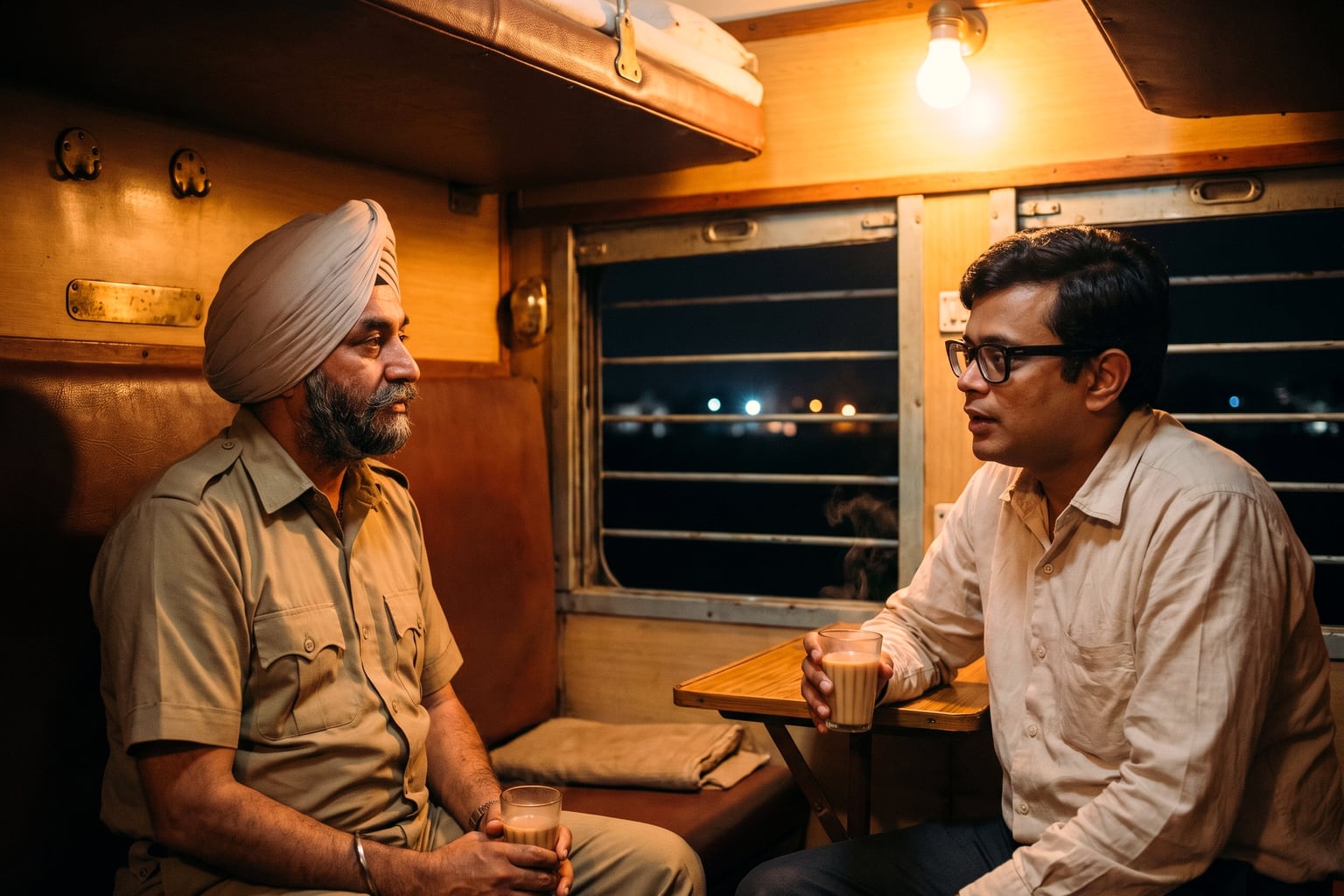 A helpful subordinateOn the Kalka Mail out of Old Delhi Railway Station, in the autumn of 1971, a Sikh intelligence officer in mufti recounts how a disobedient subordinate spared him a humiliation — and hands a chemist, a week into his first job in industry, the management lesson of a lifetime.1973
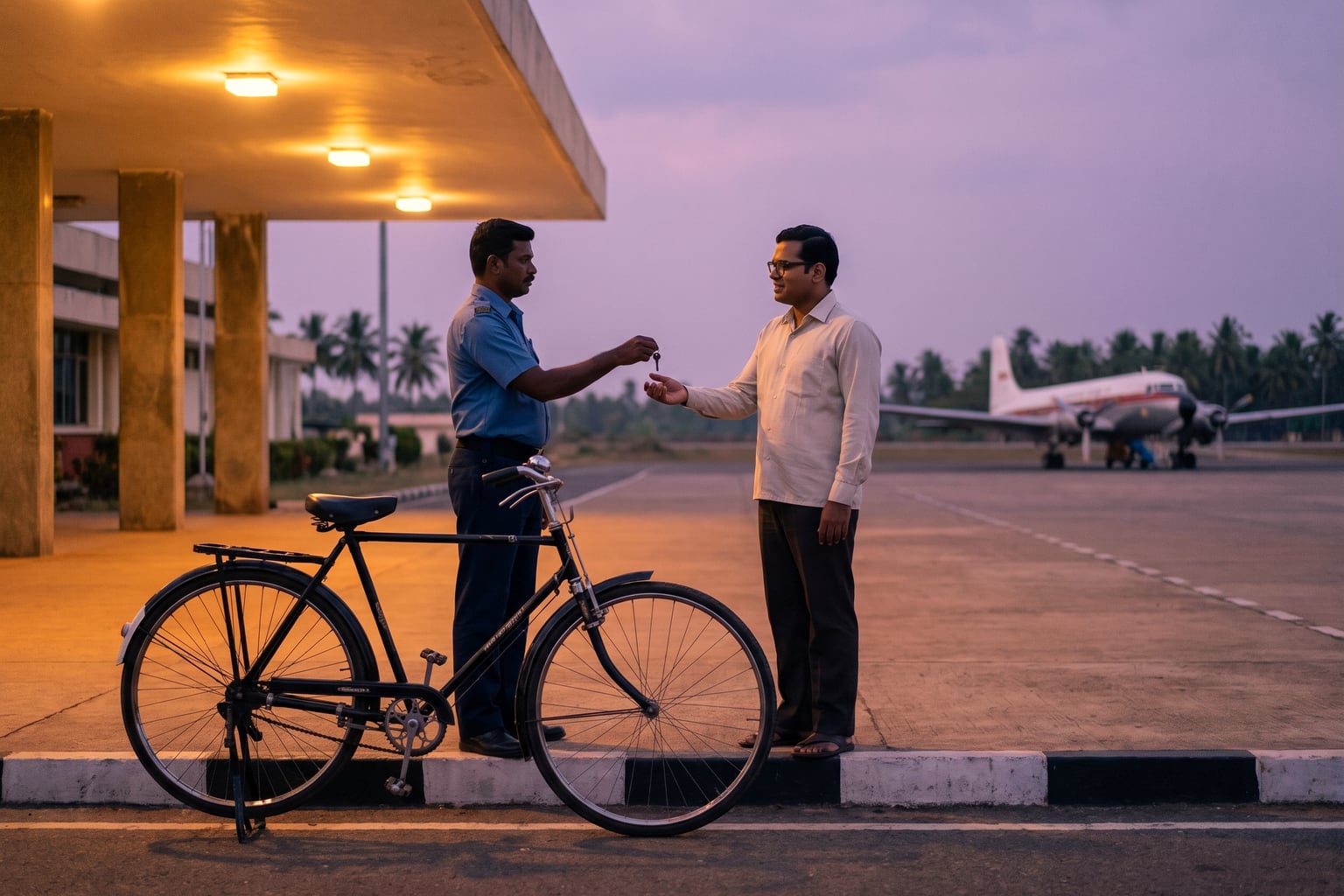 When even strangers were trustedAt Meenambakkam Airport in May 1973, a security guard hands a passing stranger the key to his bicycle and directions to a proper Tamil meal — an ordinary kindness from the days when even strangers were trusted, and a return three days later, toy in hand, that ends in the worst way.1978
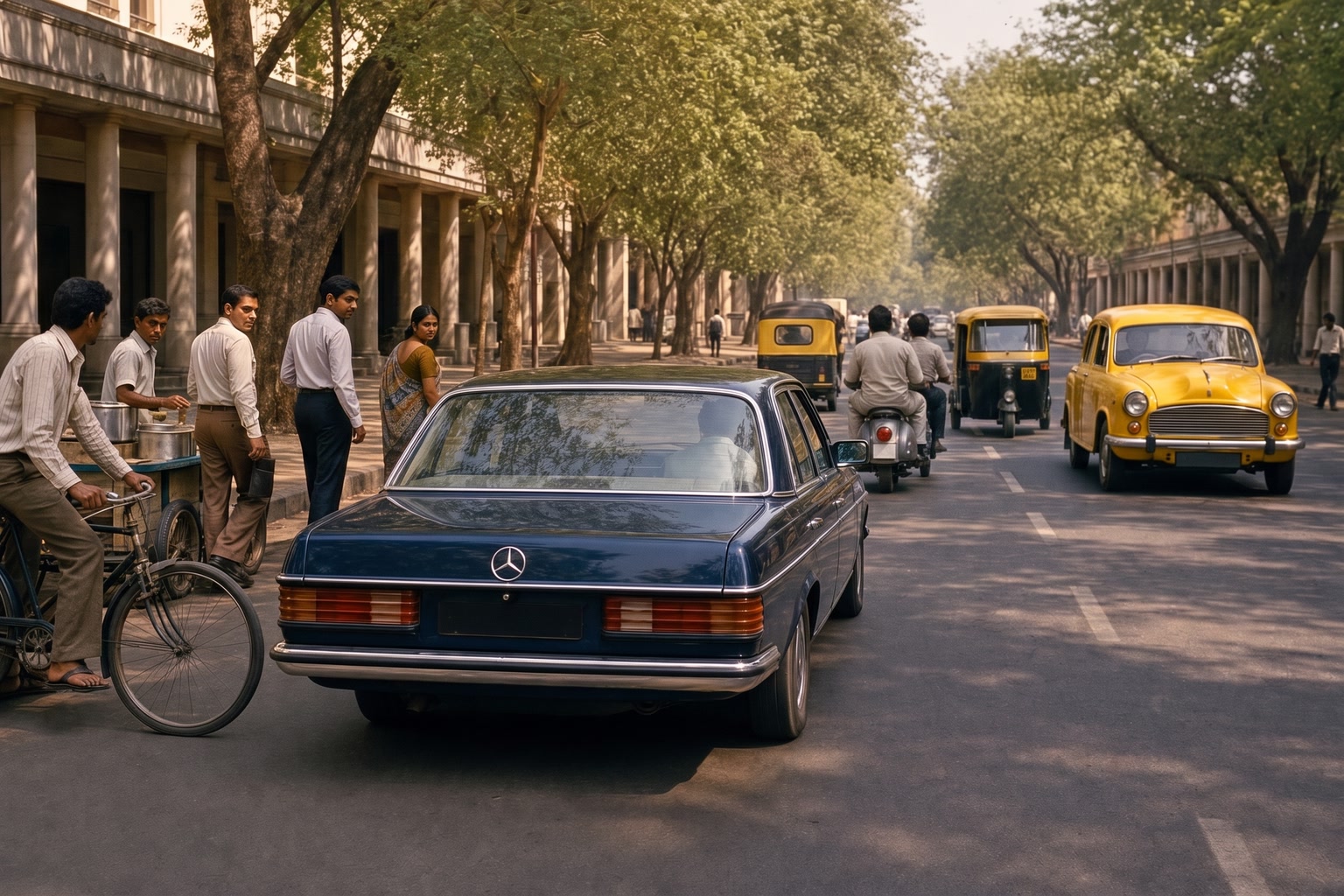 The Blue MercedesAt the Ashoka Hotel in 1978, the Minister is held up in a Cabinet meeting, an impatient former President wants to know the extent of the delay, and the Association's Secretary rushed to the Parliament House — in a Managing Director's blue Mercedes-Benz limousine that swings open the heavy gates of the Parliament House no entry pass could.
A helpful subordinateOn the Kalka Mail out of Old Delhi Railway Station, in the autumn of 1971, a Sikh intelligence officer in mufti recounts how a disobedient subordinate spared him a humiliation — and hands a chemist, a week into his first job in industry, the management lesson of a lifetime.1973When even strangers were trustedAt Meenambakkam Airport in May 1973, a security guard hands a passing stranger the key to his bicycle and directions to a proper Tamil meal — an ordinary kindness from the days when even strangers were trusted, and a return three days later, toy in hand, that ends in the worst way.1978The Blue MercedesAt the Ashoka Hotel in 1978, the Minister is held up in a Cabinet meeting, an impatient former President wants to know the extent of the delay, and the Association's Secretary rushed to the Parliament House — in a Managing Director's blue Mercedes-Benz limousine that swings open the heavy gates of the Parliament House no entry pass could.No memoirs match.